
The Difference Between Wrongful Death and Criminal Charges in Fatal Accidents
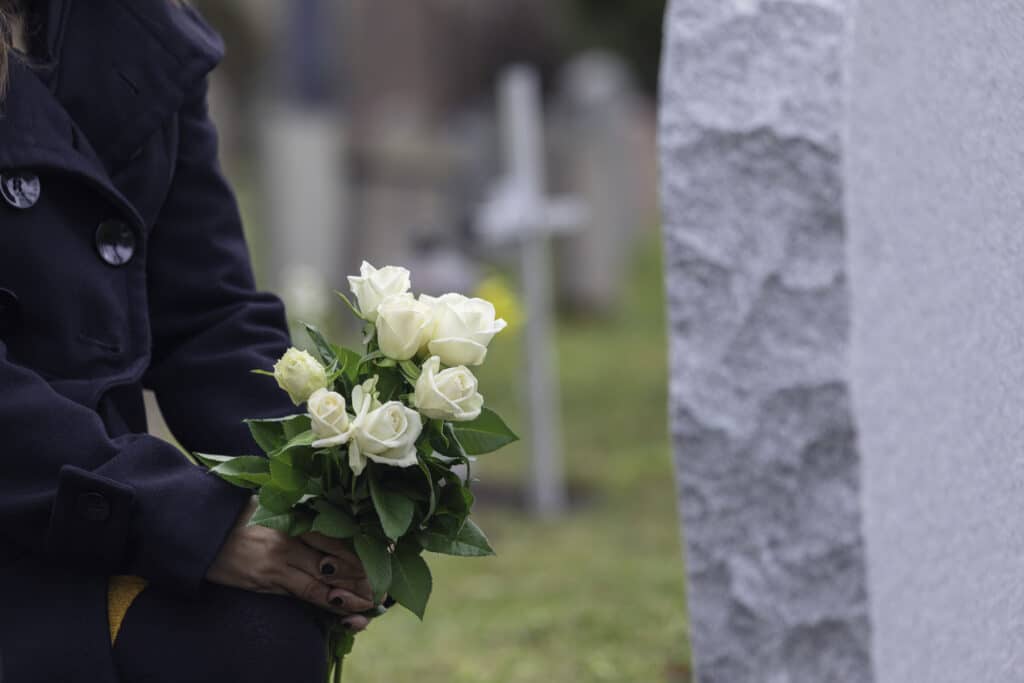
Losing a loved one in a fatal accident is devastating — emotionally, financially, and psychologically. For families in Jackson and across Mississippi, the aftermath can feel overwhelming, especially when questions of justice arise.
Many families are surprised to learn that a wrongful death case is not the same as a criminal case. Both can stem from the same tragic event, but they serve very different purposes under Mississippi law. Understanding these differences can help families make informed decisions about pursuing accountability and compensation for their loss.
Criminal Cases: The State Seeks Justice
A criminal case is filed by the State of Mississippi, not by the victim’s family. Its goal is to determine whether the person responsible for a fatal accident violated a criminal law — such as vehicular manslaughter, driving under the influence (DUI), or reckless endangerment.
The district attorney or prosecutor represents the state, and if the accused is found guilty, the penalties can include:
- Jail or prison time
- Fines
- Probation or community service
- License suspension (in DUI cases)
However, a criminal conviction doesn’t provide financial compensation to the victim’s family. Even if the person is punished, the family may still face medical bills, funeral costs, and lost income without any financial relief. That’s where civil law — and wrongful death claims — come in.
Civil Cases: Families Seek Accountability and Compensation
A wrongful death claim is a civil lawsuit filed by the surviving family or the estate of the deceased. It is separate from any criminal proceedings and has a different goal: to compensate the family for the harm caused by another’s negligence or misconduct.
Wrongful death claims can arise from:
- Car, truck, or motorcycle accidents
- Workplace incidents
- Medical malpractice
- Defective products
- Dangerous premises or unsafe property conditions
In a wrongful death case, the family must prove negligence — that someone’s careless or reckless actions caused the death. Unlike a criminal trial, which requires proof beyond a reasonable doubt, a civil case only requires a preponderance of the evidence — meaning it’s more likely than not that the defendant was responsible.
If successful, the family may recover compensation for:
- Medical and funeral expenses
- Lost income or financial support
- Pain and suffering
- Loss of companionship and emotional distress
Can Criminal and Civil Cases Happen at the Same Time?
Yes — and often, they do.
A tragic event can lead to both criminal charges and a wrongful death lawsuit. For example:
- A drunk driver who causes a fatal crash may face criminal DUI manslaughter charges and a civil wrongful death lawsuit from the victim’s family.
- A company that fails to maintain safe working conditions may face OSHA violations (regulatory penalties) and civil litigation from the deceased worker’s family.
Even if the defendant is acquitted in criminal court, the family can still pursue a civil case. One well-known example is the O.J. Simpson case — Simpson was acquitted in criminal court but later found liable for wrongful death in civil court.
This difference exists because the standards of proof are not the same. A criminal case must prove guilt beyond a reasonable doubt, while a civil case only requires showing that negligence or wrongdoing more likely caused the death.
Why Families Should Consider a Wrongful Death Claim
Criminal convictions may bring emotional closure, but they don’t help families rebuild financially. Funeral costs, medical bills, and the sudden loss of household income can leave survivors struggling. A wrongful death claim gives families the chance to recover compensation to help secure their future.
Filing a civil case also holds negligent individuals or companies accountable — sending a clear message that careless behavior has serious consequences.
However, Mississippi law has strict deadlines (known as statutes of limitations) for filing wrongful death claims, so families should speak with an attorney as soon as possible. Acting quickly helps preserve evidence, witness statements, and legal options.
Justice After Loss: Your Rights Matter
Losing a loved one is one of life’s greatest hardships. While no amount of money can replace what you’ve lost, pursuing a wrongful death claim can provide both justice and financial relief for your family’s future.
If your loved one’s death was caused by another’s negligence — whether from a crash, medical error, or unsafe property — you have the right to take action.
Call the Diaz Law Firm today at 601-607-3456 or 800-459-2222 for a free consultation, or contact us online to discuss your case with an experienced wrongful death attorney.
GET YOUR FREE CASE EVALUATION