
How Weather and Seasonal Changes Affect Truck Accidents in Mississippi
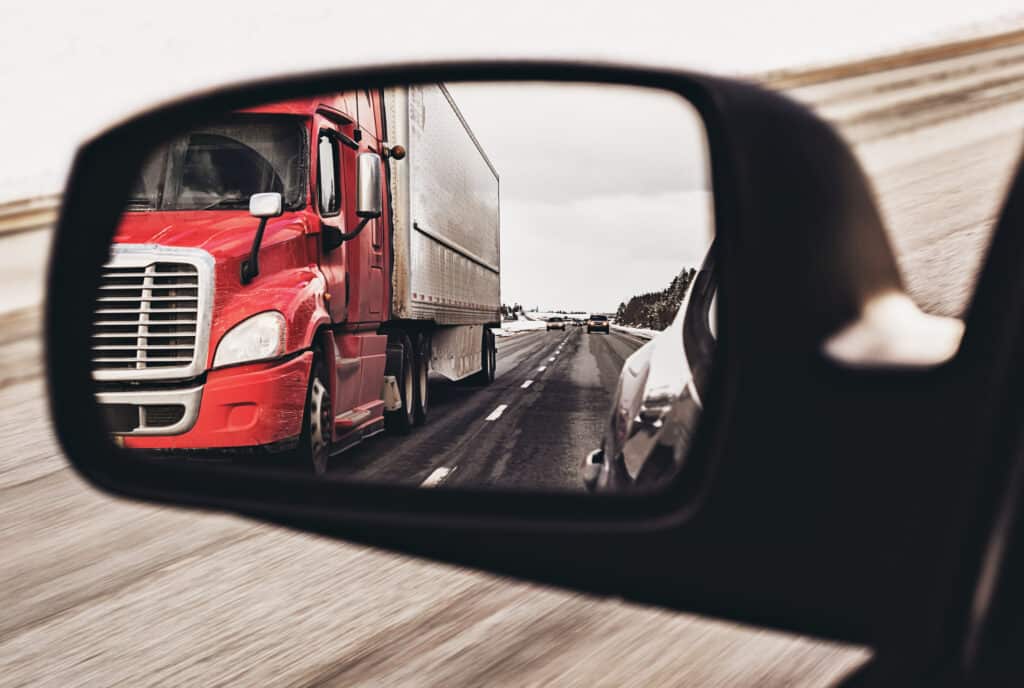
As Mississippi transitions into the cooler months, drivers across the state — especially those in Jackson — begin to face new roadway hazards. Heavy rainfall, fog, and shifting temperatures can dramatically affect visibility and traction, leading to a surge in weather-related accidents. When those accidents involve large commercial trucks, the results are often devastating.
Understanding how seasonal changes increase the risks of trucking accidents can help drivers stay alert — and can also help victims recognize when a crash may have been preventable.
Why Weather Makes a Dangerous Mix for Trucks
Commercial trucks can weigh up to 80,000 pounds when fully loaded, which means even small mistakes or slippery roads can have catastrophic consequences. Weather conditions like rain, fog, and wind create additional challenges for truckers:
- Reduced visibility: Fog and early darkness in fall and winter limit reaction time.
- Slippery surfaces: Wet or icy pavement drastically increases braking distance.
- Strong winds: Gusts can cause trailer sway or rollovers, especially on open highways.
- Drainage issues: Standing water on Jackson’s aging roadways increases the risk of hydroplaning and jackknifing.
Truck drivers are trained to handle difficult conditions — but not all follow safety protocols. When a driver fails to slow down, overcorrects, or ignores weather warnings, that can amount to negligence.
Seasonal Weather Patterns in Mississippi and Their Impact
Mississippi weather changes quickly. In late fall and winter, temperatures fluctuate between warm and cold, creating rain-heavy systems and frequent fog across the I-55 and I-20 corridors. According to the Mississippi Department of Transportation (MDOT), wet roadways and low visibility are leading factors in weather-related crashes across the state.
Even brief rain showers can release oil residue from the pavement, making the first few minutes of rainfall especially hazardous. Add in 18-wheelers traveling at highway speeds, and the risk of multi-vehicle pileups increases dramatically.
As the state moves toward winter, bridges and overpasses — common along I-20 through Jackson — can freeze faster than regular roads, creating “black ice” that’s nearly invisible to drivers. These hazards don’t just make driving difficult; they also test whether truckers and their employers are following the federal safety standards designed to prevent weather-related accidents.
How Trucking Companies Should Respond to Dangerous Conditions
Federal Motor Carrier Safety Administration (FMCSA) regulations require truck drivers to exercise “extreme caution” in hazardous weather and even pull over if conditions become unsafe. This means reducing speed, increasing following distance, and avoiding routes that are known to flood or freeze.
However, many trucking companies pressure drivers to stay on schedule, even when it’s unsafe to continue. This pressure can lead to reckless driving behaviors, such as:
- Driving above the safe speed for current weather conditions
- Failing to maintain tires or brakes suitable for wet or icy roads
- Ignoring visibility hazards during fog or nighttime driving
- Not inspecting cargo loads before travel, increasing instability on slippery roads
When companies prioritize deadlines over safety, they can — and should — be held legally accountable for the harm their negligence causes.
When Poor Road Maintenance Adds to the Danger
Weather is unpredictable, but poor road maintenance makes it worse. In Jackson and across Hinds County, drainage problems, potholes, and uneven pavement can turn a routine rainstorm into a major traffic hazard. Truckers who hit standing water at high speeds risk losing control — and the results can be deadly for anyone nearby.
While weather may be a natural factor, failing to maintain public roads, repair damaged guardrails, or post proper warnings can make government entities partially responsible for an accident. These cases require careful legal investigation, but victims have the right to hold negligent parties accountable.
What to Do After a Weather-Related Truck Accident
If you or a loved one is injured in a trucking accident during hazardous weather, it’s important to act quickly to protect your rights:
- Call 911 and report the crash immediately.
- Document the scene — take photos of road conditions, weather, and vehicle positions.
- Get medical attention, even if you feel fine initially.
- Do not speak with insurance adjusters until you’ve spoken with an attorney.
- Contact a truck accident lawyer who understands both state law and federal trucking regulations.
Weather may contribute to a crash, but it rarely tells the full story. Negligence — by a driver, company, or even a government agency — often plays a role.
Truck Accident Claims Assistance: The Diaz Law Firm
After a serious trucking accident, families often face overwhelming challenges — medical bills, lost income, and emotional trauma. You shouldn’t have to face them alone.
The Diaz Law Firm has decades of experience helping victims of commercial truck accidents throughout Mississippi and nationwide. Our legal team investigates every factor — including weather conditions, driver behavior, and road safety — to determine who’s responsible and pursue maximum compensation.
For a free consultation, call us today at (800) 459-2222 or (601) 607-3456, or contact us online to speak with a truck accident attorney.
GET YOUR FREE CASE EVALUATION