
What Counts as Negligence in a Commercial Property Injury Case?
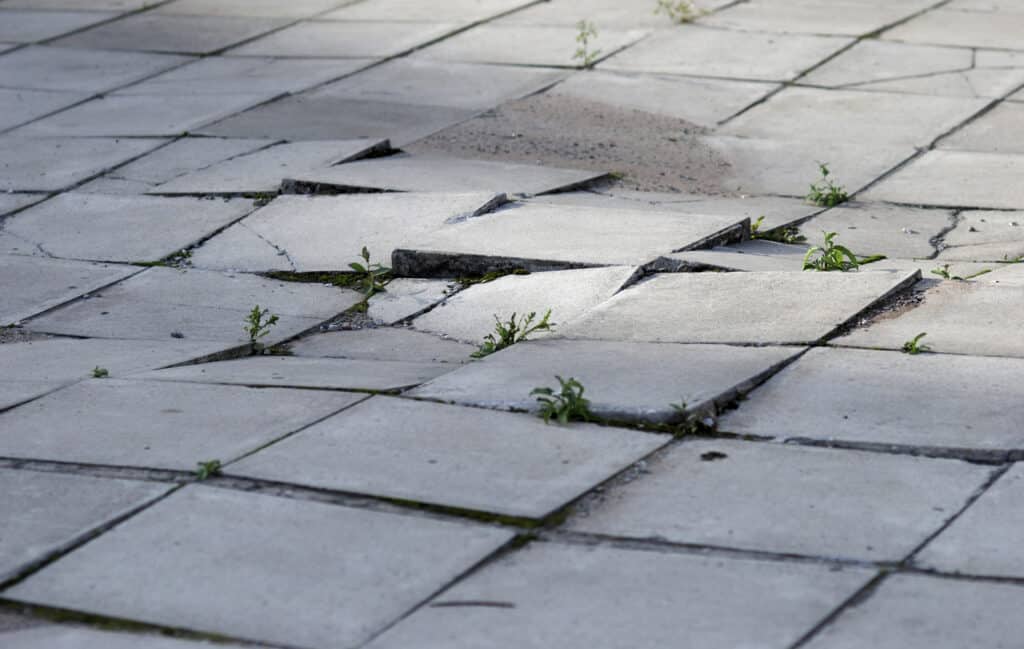
When someone is injured on a commercial property—whether a store, restaurant, hotel, office building, or shopping center—the first question is usually: “Was the business negligent?”
Negligence isn’t always obvious. Businesses rarely admit fault, and insurance companies often argue that the injured person is to blame. Understanding how negligence is defined and proven can make a major difference in your ability to recover compensation after a commercial property accident.
This guide breaks down what negligence means, how it applies to property owners, and what evidence can help prove your claim.
What Is Negligence in a Commercial Property Injury Case?
In simple terms, negligence occurs when a business fails to act with reasonable care, and that failure causes someone to get hurt.
To prove negligence, you must show:
- The business owed you a duty of care
- They breached that duty through unsafe behavior or conditions
- That breach directly caused your injury
- You suffered damages (medical bills, lost income, pain, etc.)
Commercial properties owe the highest duty of care to customers, visitors, and guests.
Common Ways Businesses Are Negligent
Negligence can occur in many different ways. Some of the most common examples include:
1. Failing to Clean or Maintain the Premises
Examples include:
- Wet floors with no warning signs
- Spills left unattended
- Cluttered aisles
- Poorly maintained entrances or sidewalks
If employees knew or should have known about a hazard and didn’t fix it, this often counts as negligence.
2. Poorly Maintained Equipment or Fixtures
Commercial properties must ensure that areas accessible to customers are safe.
Negligence may apply when:
- Shelving collapses
- Falling merchandise injures someone
- Faulty escalators/elevators malfunction
- Broken chairs or furniture cause injury
When equipment breaks due to lack of maintenance, the business may be responsible.
3. Inadequate Lighting
Dim or non-functioning lighting can make hazards impossible to see.
Poor lighting is often linked to:
- Trip-and-fall accidents
- Stairway injuries
- Parking-lot incidents
Businesses must regularly inspect and repair lighting to keep guests safe.
4. Failure to Inspect the Property Regularly
Commercial businesses are expected to perform routine inspections.
Negligence may occur when:
- Staff ignore obvious hazards
- There is no inspection schedule
- Safety policies exist but are not followed
Courts often examine whether inspections were done consistently and documented properly.
5. Inadequate Security
Some injuries occur not because of a physical hazard but because the property failed to provide reasonable security.
Examples include:
- Lack of surveillance in high-crime areas
- Poor lighting that enables crime
- No security personnel in places where danger is foreseeable
If the risk was predictable, businesses may be negligent for failing to prevent criminal activity.
6. Unsafe Construction or Renovation Areas
When construction is happening, property owners must take extra precautions.
Negligence includes:
- Failing to block off hazardous areas
- Not posting warning signs
- Using equipment unsafely around customers
Even temporary conditions during renovation must be made reasonably safe.
What Evidence Helps Prove Negligence?
Strong evidence is essential in a commercial property case. Helpful items include:
- Photos and Videos: Images of the hazard, the scene, and your injuries can be powerful proof.
- Incident Reports: Businesses often document events internally. Request a copy immediately.
- Surveillance Footage: Many commercial properties have cameras. This footage can show how long the hazard existed.
- Witness Statements: Bystanders and employees may have seen what happened—or knew about the hazard beforehand.
- Inspection or Cleaning Logs: If the business has no logs or inconsistent maintenance records, negligence becomes easier to prove.
- Medical Documentation: Your medical records link the accident directly to your injuries.
A personal injury attorney can help preserve time-sensitive evidence before it disappears.
When Is a Business Not Considered Negligent?
Some scenarios may weaken liability, such as:
- The hazard appeared moments before the accident
- The danger was open and obvious
- The injured person ignored warnings
- The business took reasonable steps to prevent the hazard
However, many people dismiss their claim prematurely—consulting an attorney helps determine whether negligence is still present.
What to Do After a Commercial Property Injury
Take these steps as soon as possible:
- Report the incident to property management
- Photograph the scene before anything is cleaned or moved
- Get names of witnesses
- Seek immediate medical care
- Avoid giving recorded statements to insurance adjusters
Businesses and insurers work quickly to limit liability; having an attorney early helps protect your claim and preserve evidence.
Diaz Law Firm: Your Champion for Premises Liability Claims
If you have been injured on a commercial property inMississippi, you should not face the legal system alone. The Diaz Law Firm can explain your options, guide you through the process, and fight for the justice you deserve.
Call us at (601) 607-3456 or (800) 459-2222, or visit our Contact Us page to schedule a free, no-obligation consultation today.
GET YOUR FREE CASE EVALUATION