
High-Risk Highway Intersections in Mississippi and What Drivers Should Know After a Serious Accident
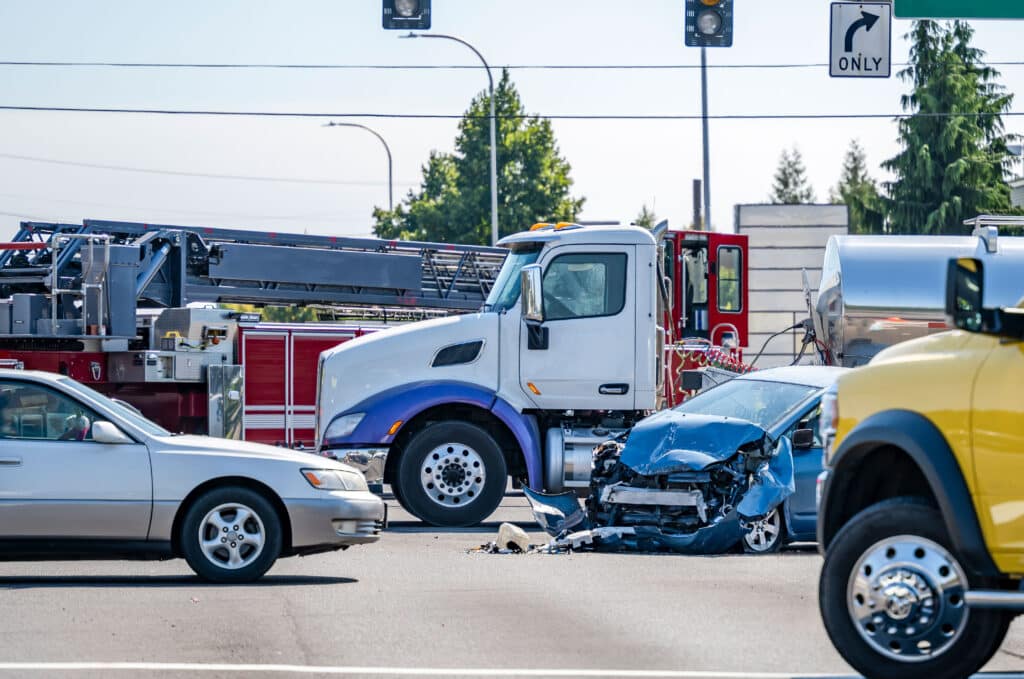
Mississippi’s highways and local roads connect rural communities with growing cities, major interstates with neighborhood streets. Every day, thousands of drivers rely on these roads to commute, run errands, and travel for work. Unfortunately, certain intersections and highway corridors across the state have become known for frequent and serious crashes — especially when large commercial trucks are involved.
Understanding why these areas are dangerous, how truck traffic increases the risk, and what legal options are available after a crash can make a critical difference for injured drivers and their families.
Why Intersections Are Especially Dangerous
Intersections are among the most common locations for traffic accidents because they require drivers to make quick decisions while vehicles move in multiple directions at once. Drivers must stop, yield, turn, merge, and respond to traffic signals — often within a very short distance.
In Mississippi, a significant percentage of serious injury and fatal crashes occur at intersections. Many of these accidents involve:
- Side-impact (T-bone) collisions
- Rear-end crashes
- Failure-to-yield accidents
When commercial trucks are part of the traffic flow, the danger increases. Trucks need more time to stop, require wider turns, and have larger blind spots. A mistake that might cause minor damage in a passenger vehicle collision can result in devastating injuries when a tractor-trailer is involved.
High-Risk Highway Corridors Across Mississippi
While dangerous intersections can be found statewide, certain highways and corridors consistently see higher crash rates due to congestion, speed, and heavy commercial traffic.
Interstate 55 (I-55)
Interstate 55 is one of Mississippi’s busiest roadways and is frequently cited as one of the most dangerous highways in the state. Areas near major interchanges — particularly around Jackson — experience heavy congestion, frequent lane changes, and merging traffic from on-ramps and surface streets.
Commercial trucks travel I-55 daily to move goods across the state, increasing the risk of high-impact crashes. These conditions often lead to rear-end collisions, sideswipe accidents, and multi-vehicle pileups involving large trucks.
Urban Intersections With Higher Crash Risks
Urban intersections present a different set of hazards. Traffic signals, pedestrians, turning lanes, and nearby businesses all contribute to congestion and confusion.
In the Jackson area, intersections such as:
- I-55 and Lakeland Drive
- Highway 80 and Ellis Avenue
- North State Street and Fortification Street
- Woodrow Wilson Avenue and Bailey Avenue
have seen repeated accident activity. High traffic volume, limited sight lines, aggressive driving behavior, and frequent commercial vehicle traffic all play a role.
Why Some Intersections Are More Dangerous Than Others
Certain features make intersections far more likely to experience serious or fatal crashes, including:
- High speed limits combined with cross traffic
- Multiple lanes and complex turning patterns
- Poor visibility or unclear signage
- Lack of protected left-turn signals
- Heavy commuter and commercial truck traffic
When truck drivers are under pressure to meet delivery schedules — or when passenger vehicle drivers misjudge a truck’s stopping distance — these risks escalate quickly.
Common Causes of Intersection Accidents Involving Trucks and Cars
Most intersection crashes are preventable. Common causes include:
- Failure to yield the right of way
- Running red lights or stop signs
- Distracted driving, including phone use
- Speeding through yellow lights
- Aggressive lane changes near interchanges
- Driver fatigue, particularly among commercial drivers
Identifying these patterns is not only important for safety — it also plays a key role in determining legal liability after a crash.
Legal Liability After a Truck or Auto Accident at a Dangerous Intersection
Truck accident cases are far more complex than standard car accidents. Liability may extend beyond the driver to include:
- The trucking company
- Maintenance contractors
- Cargo loaders or shippers
- Employers responsible for driver supervision
Evidence such as driver logs, maintenance records, and electronic data can be lost quickly if action isn’t taken. Insurance companies representing trucking companies often begin building their defense immediately after a crash — which is why injured victims should not wait to explore their legal options.
Mississippi law allows injured drivers and passengers to pursue compensation when negligence leads to injury, including medical expenses, lost income, and long-term suffering.
How to Navigate High-Risk Intersections More Safely
While legal rights matter after an accident, prevention is always the goal. Drivers can reduce their risk by:
- Slowing down when approaching intersections, even with a green light
- Scanning all directions before proceeding
- Using turn signals early and clearly
- Eliminating phone use and distractions
- Avoiding rushing through yellow lights
Defensive driving is especially important near known high-risk corridors and commercial truck routes.
Roadway Improvements Help — But Accountability Still Matters
Transportation agencies continue working to improve roadway safety through better signage, updated signal timing, and redesigned intersections. While these changes can help reduce crash severity, they do not eliminate negligent driving or unsafe trucking practices.
When a serious accident occurs, injured victims deserve answers — and accountability.
Trusted Mississippi Truck Accident Lawyers
Truck accidents change lives in an instant. However, with the right attorney, you don’t have to face the aftermath alone. If you or someone you love was injured in a truck accident in Mississippi, The Diaz Law Firm is ready to stand by your side.
Call (800) 459-2222 today or contact us online for a free, no-obligation consultation. We’ll investigate your case, explain your options, and build a strategy tailored to your needs.
GET YOUR FREE CASE EVALUATION