Car vs. Train Collision on Triangle Drive in Jackson: What Victims’ Rights You Should Know
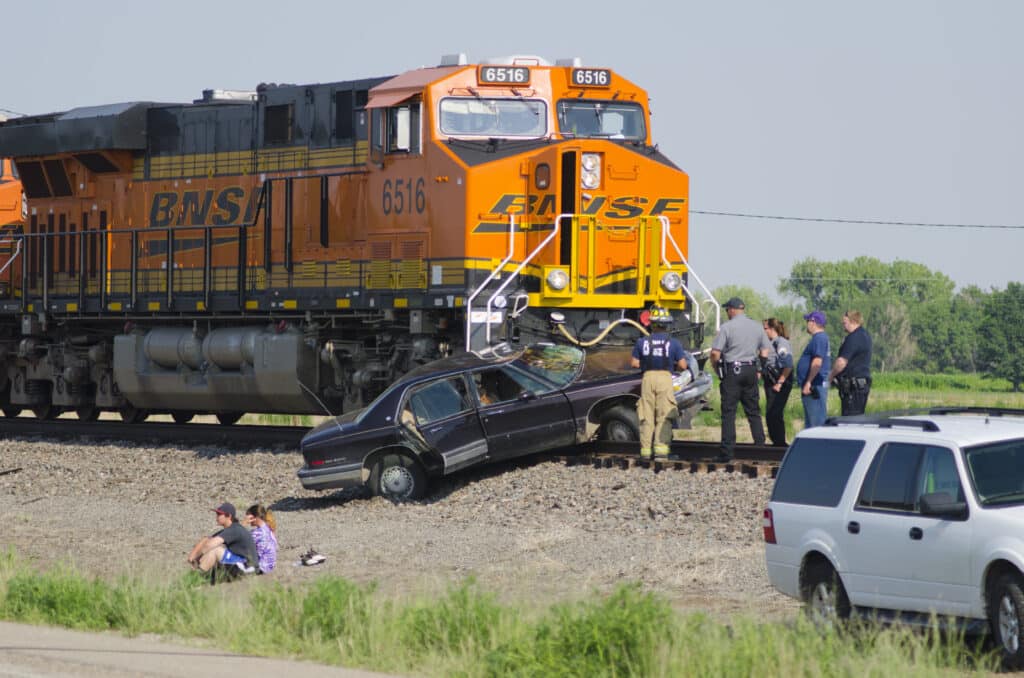
A recent collision in Jackson, Mississippi, highlights just how dangerous railroad crossings can be — especially when motorists misjudge the risk. On November 16, 2025, a woman driving a Honda CR‑V with a 3‑year‑old passenger attempted to cross train tracks on Triangle Drive, resulting in a crash with a 39‑car freight train.
According to Jackson Police, the driver and child were taken to a local hospital with non–life‑threatening injuries. This crash serves as a serious reminder: just one moment of miscalculation at a railroad crossing can lead to life-altering injuries.
If you or someone you know was hurt in a collision like this, it’s critical to understand your legal rights.
Why Railroad Crossings Are Especially Dangerous for Drivers
Automobile-train collisions are unique in their level of risk and complexity:
- Massive force: Trains weigh thousands of times more than a car, so even a slow-moving train can cause catastrophic damage.
- Limited stopping ability: Trains require a long distance to stop — much more than cars anticipate.
- Driver misjudgment: Drivers sometimes underestimate a train’s speed or distance. In this case, the crossing on Triangle Drive may not have given enough warning.
- Signaling and infrastructure: Not all crossings have active gates, lights, or automatic warning systems — and those that do depend on proper maintenance and visibility.
Legal Rights After a Car vs. Train Collision
Victims in a car-train crash may have multiple avenues for legal recourse:
- Personal Injury or Wrongful Death Claims
- Even though a train is involved, a motorist or passenger may sue for bodily injuries or, in worse cases, a wrongful death claim.
- Crossing Safety Negligence
- If a railroad company failed to properly maintain the crossing, lights, signals, or barriers, that could increase their liability.
- Comparative Negligence
- Mississippi may assign partial fault. If the driver bears some liability, that doesn’t necessarily preclude a claim — but it affects compensation.
- Evidence Needs
- Critical evidence may include: train black box data, accident report, cross‑signal system logs, and vehicle damage photos.
Important Steps to Take After Such a Crash
If you or a loved one are involved in a car-train collision, follow these steps to protect your rights:
- Call 911 immediately — even if injuries seem minor.
- Don’t leave the scene — make sure crash isn’t cleared up before documentation.
- Get a police report — the Jackson Police will investigate such collisions.
- Document everything — take photos of your car, the train crossing, nearby signals/gates.
- Get medical help — some injuries show up later, after the shock wears off.
- Contact an experienced personal injury attorney — especially one familiar with railroad‑involved crashes.
Why You Need an Attorney for Train‑Involved Crashes
Train accidents are not like regular car collisions. As you’re working to recover, a skilled lawyer can:
- Investigate infrastructure failures (e.g., faulty crossing signals)
- Request and analyze train movement and data logs
- Work with accident reconstruction experts
- Negotiate with both motor vehicle and railroad company insurance carriers
- Help you build a claim for maximum compensation
Take Action to Protect Your Rights
If you or a loved one were injured in the Triangle Drive train collision — or any car auto-wreck — don’t navigate this alone. Call the Diaz Law Firm at (601) 607‑3456 or (800) 459‑2222 or contact us online to schedule a free, confidential consultation. We understand the complexities of railroad-involved crashes and will fight for all the compensation you deserve.
GET YOUR FREE CASE EVALUATION